Europe’s Future Shines Bright
Italy lead medal table as Junior European Championships conclude in Tbilisi
The Junior European Championships in Tbilisi came to a vibrant conclusion after days of intense competition, emotional highs and technical excellence. Across individual and team events, Europe’s most promising young athletes demonstrated not only their ambition to win, but also the values that define fencing at its core.
From the first bouts to the final team celebrations, the Championship confirmed one clear message: the future of European fencing is strong, diverse and increasingly competitive.
Italy on Top, Europe Close Behind
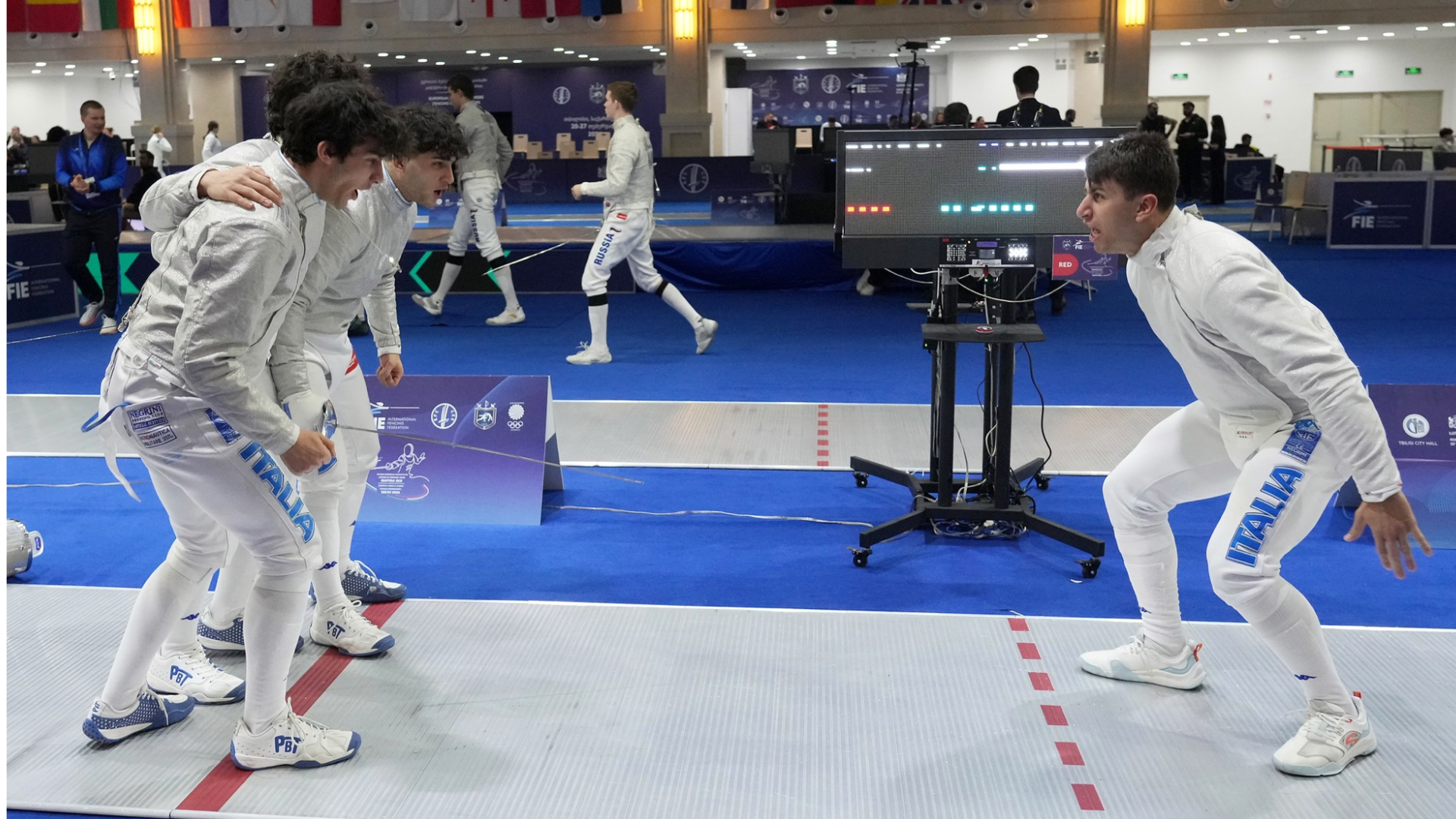
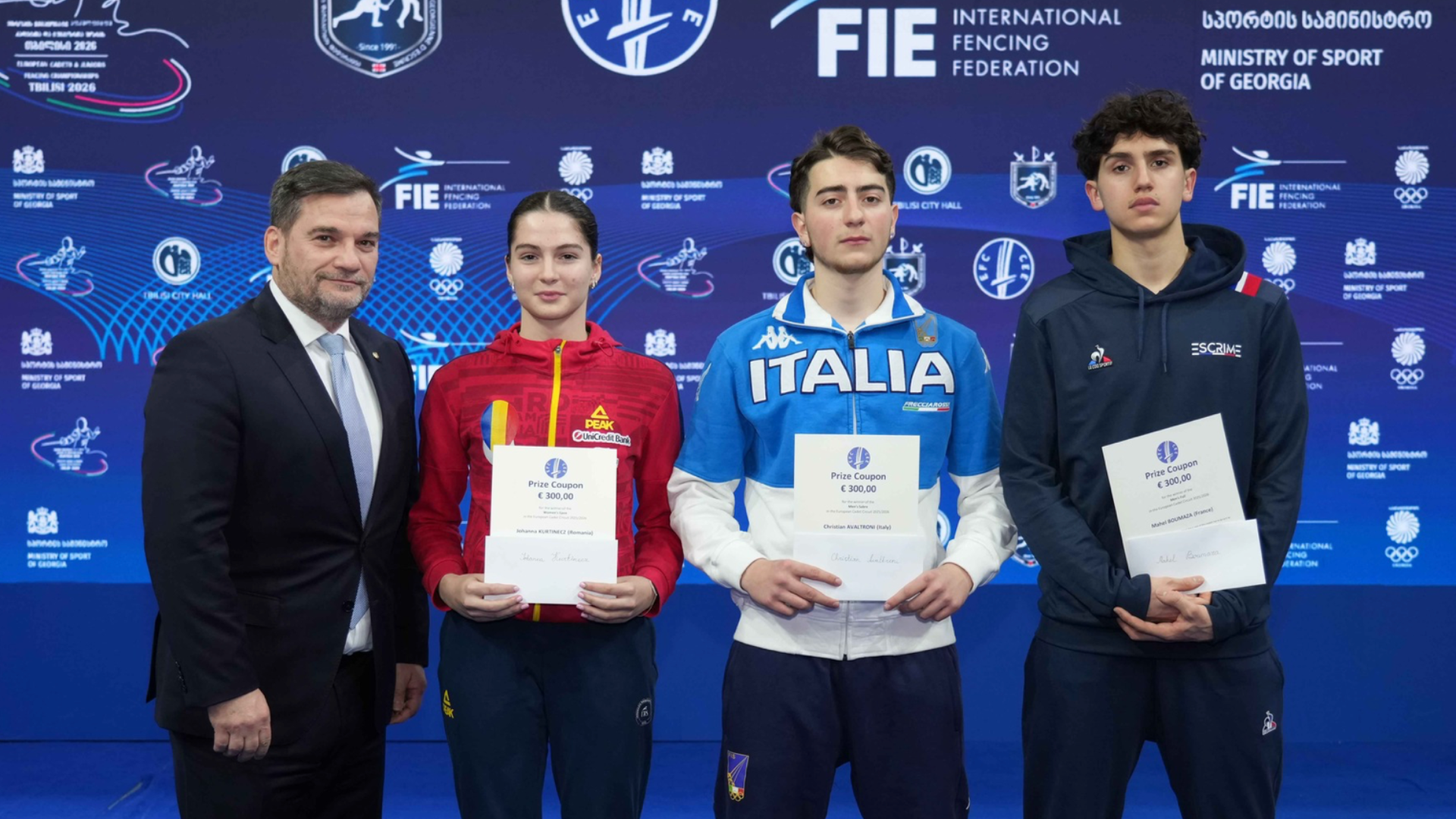
Italy finishes at the top of the medal table with six gold, five silver and four bronze medals, underlining the depth and consistency of its junior programme. France follows closely with five gold medals and a total of thirteen podium finishes, once again confirming its long-standing tradition of excellence.
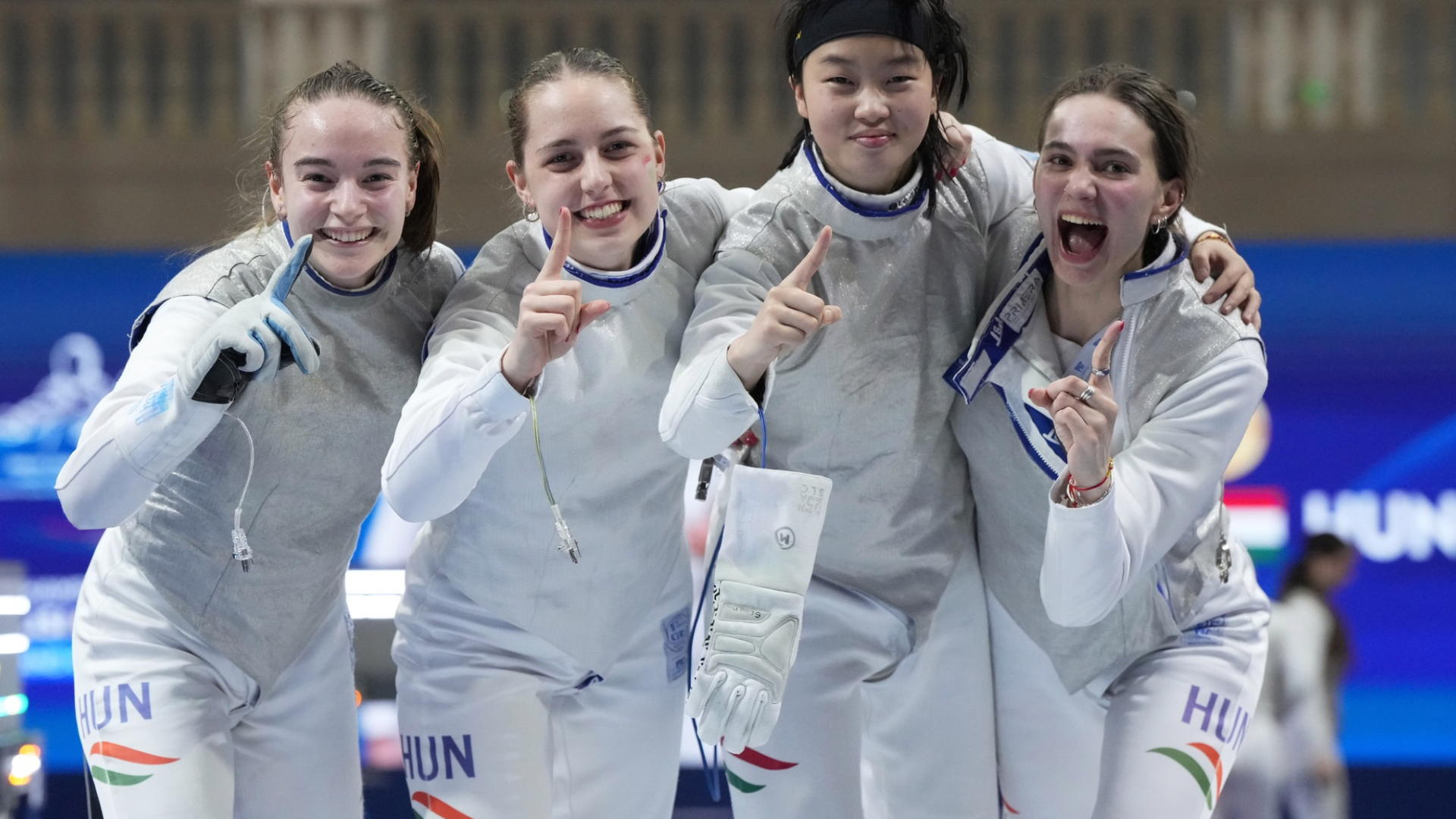
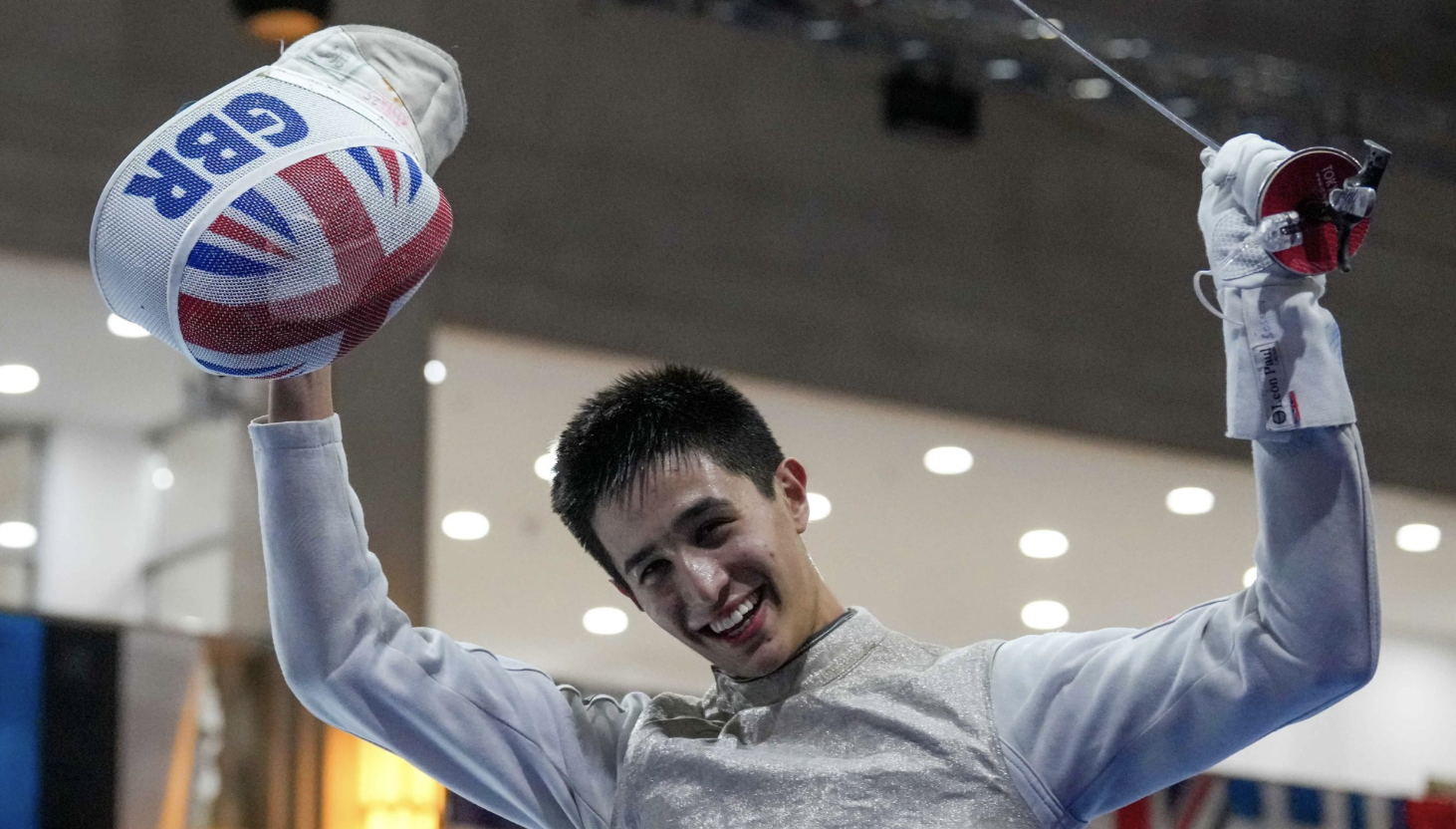
Turkey’s third place overall marks an important statement of growth, while Israel, Hungary and Russia also demonstrated remarkable strength throughout the week. British fencing secured seventh place in the standings, while Ukraine, Poland and Latvia all celebrated important podium moments.
In total, 18 nations reached the medal table — a powerful indicator of how widely success is now distributed across Europe.
Final Medal Table
| Rank | Nation | Gold | Silver | Bronze | Total |
|---|---|---|---|---|---|
| 1 | Italy | 6 | 5 | 4 | 15 |
| 2 | France | 5 | 2 | 6 | 13 |
| 3 | Turkey | 3 | 2 | 1 | 6 |
| 4 | Israel | 2 | 2 | 2 | 6 |
| 5 | Hungary | 2 | 1 | 6 | 9 |
| 6 | Russia | 2 | 1 | 4 | 7 |
| 7 | GBR | 1 | 1 | 3 | 5 |
| 8 | Ukraine | 1 | 3 | 1 | 5 |
| 9 | Poland | 1 | 1 | 2 | 4 |
| 10 | Latvia | 1 | 0 | 1 | 2 |
| 11 | Georgia | 1 | 0 | 0 | 1 |
| 12 | Romania | 0 | 2 | 0 | 2 |
| 13 | Czechia | 0 | 1 | 0 | 1 |
| 14 | Bulgaria | 0 | 1 | 0 | 1 |
| 15 | Germany | 0 | 0 | 3 | 3 |
| 16 | Spain | 0 | 0 | 3 | 3 |
| 17 | Estonia | 0 | 0 | 2 | 2 |
| 18 | Greece | 0 | 0 | 1 | 1 |
Beyond Medals: Lessons for Life
For Pascal Tesch, the meaning of a Youth Championship goes far beyond the podium.
“Youth Championships are intense — emotionally and technically,” he reflected. “But there is only one person who will leave as champion, and every round has 50% losers. In a nutshell, losing is part of the process — or rephrasing it: always come back winning one more time than you are losing.”
His message is clear: resilience is the true victory. At this age, athletes are not only learning how to score touches — they are learning how to deal with defeat, pressure and expectation.
A More Balanced Europe
Asked whether European fencing is becoming more balanced or more unpredictable, Tesch pointed to the broader competitive base emerging across the continent.
“We get a broader base. The dominating countries can have days where they are totally absent from the podium, which is a good sign for the development in Europe.”
The medal table supports this vision. Nations traditionally outside the top ranks are now consistently challenging for finals, while established leaders must fight for every match. This competitive balance strengthens the entire European system.
Performance, Safeguarding and Education Together
At youth level, success cannot be measured by results alone. The European Fencing Confederation continues to place equal emphasis on performance, safeguarding and education.
“It is a question of culture and respect,” Tesch explained. “The winner can dominate his opponent but should never humiliate. Everything beyond competition is the same as in civil society.”
This philosophy underpins EFC policies and educational initiatives, ensuring that athletes grow not only as competitors but as responsible young individuals.
The Mission at Youth Level
If asked to define the mission of the EFC in one sentence, Tesch offers a perspective that resonates beyond sport:
“Make sure that beyond becoming better athletes, the young realise that differences are not bad but make the richness of our world.”
In a championship that brought together dozens of nations, languages and cultures, this message was visible both on and off the piste.
The Spirit of Tbilisi
As the lights dim in Tbilisi, what remains is more than a medal count.
“I hope that more of those dynamic and animated finals will come to fencing,” Tesch said. “Where teams chanting encourage their colleagues and fairly applaud winners and losers alike at the end of the bout.”
Energy, respect and passion defined these Championships. Europe’s young fencers leave Tbilisi with medals, experience and lessons that will shape their careers — and perhaps their lives — for years to come.